

Skip to main content Scroll Top

CERTIFICATE: INTRODUCTION TO CYBERSECURITY IN AVIATION FOR PILOTS
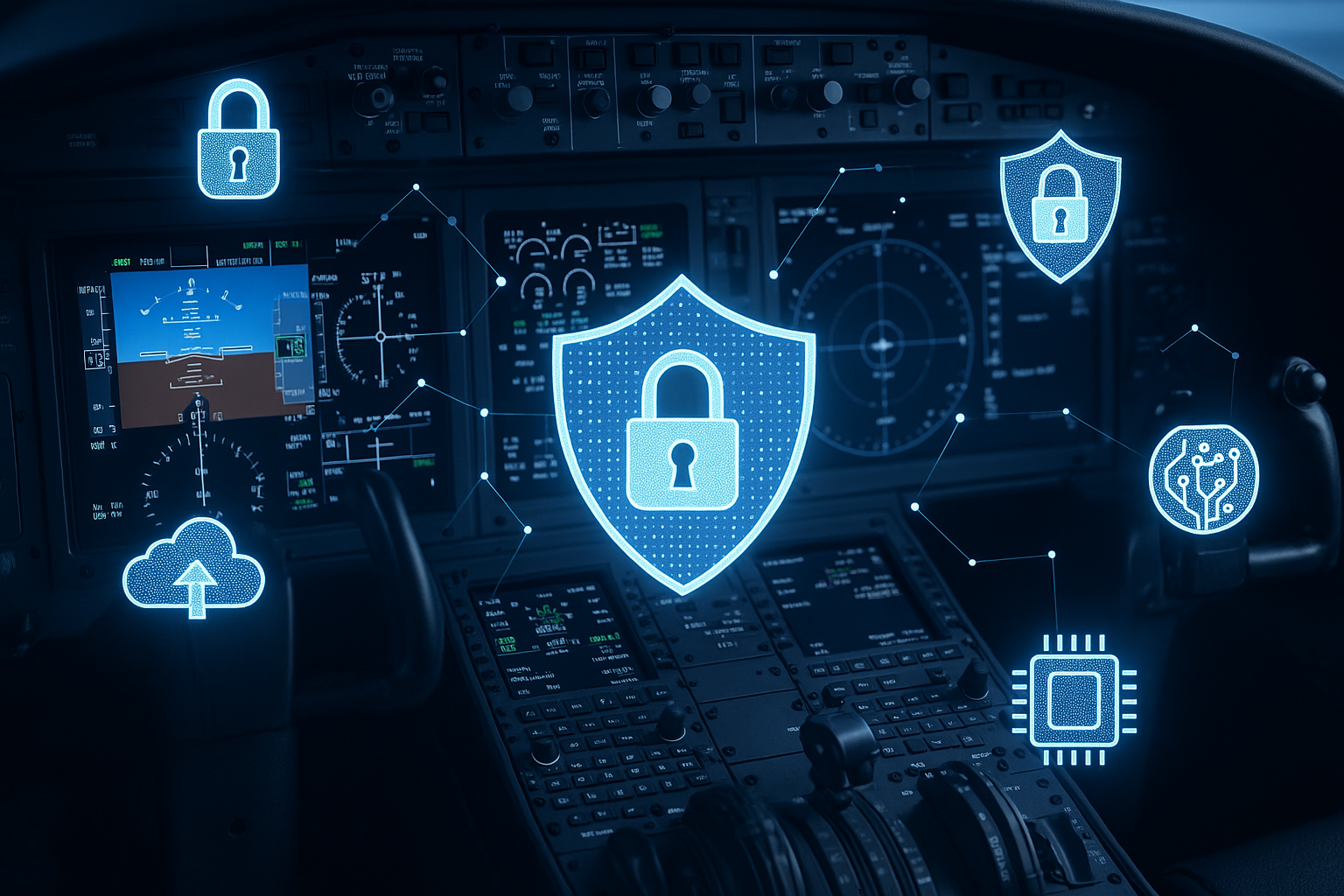
GPS spoofing. ADS-B interference. ACARS manipulation. The cyber threats facing flight crew are real — and EASA now requires you to be prepared.
The Threat Landscape Has Reached the Flight Deck
THE THREAT IS REAL. THE TRAINING IS HERE.
Modern aircraft are deeply networked and that connectivity creates vulnerabilities that every flight crew member needs to understand. From electronic flight bags to satellite navigation to air-to-ground datalinks, the systems that pilots depend on are subject to threats that simply did not exist a decade ago.
IITA's Certificate in Introduction to Cybersecurity in Aviation for Pilots is built around the operational realities of flight crew life. It covers the threats most likely to affect your operations, the regulatory obligations that now apply to European pilots under EASA Part-IS, and the awareness and reporting habits that help protect every flight.
This is not an IT course. It is an operational awareness programme designed by and for aviation professionals.
✈️ Covers GPS spoofing, ADS-B, ACARS, and EFB threats
✈️ Developed in alignment with EASA Part-IS
✈️ Designed specifically for flight crew no technical IT background required
cybersecurity_aviation
Lorem Ipsum Dolor Sit
54%
Duis Aute Irure Dolor
80%
Excepteur sint Occaecat
38%
What Cyber Threats Actually Look Like in the Cockpit
EASA Part-IS creates specific cybersecurity obligations for Air Operator Certificate holders and awareness at flight crew level is a core pillar of compliance.
The threats facing modern flight crew are specific, technical, and growing. This programme addresses each of the major categories directly:
✈️ GPS Spoofing False positioning signals that cause navigation systems to display incorrect aircraft location, with documented incidents in conflict zones and increasingly in commercial airspace.
✈️ ADS-B Vulnerabilities Automatic Dependent Surveillance–Broadcast transmissions are unencrypted and unverified, creating exposure to both surveillance and injection attacks.
✈️ ACARS Exploitation The aircraft communications addressing and reporting system transmits unencrypted data by default, making it a potential vector for message injection and interception.
✈️ EFB Security Electronic Flight Bags introduce personal device and application security risks into the cockpit environment, particularly where connected to aircraft systems.
✈️ Reporting Culture Effective cybersecurity depends on crews who recognise anomalies and report them through the right channels. This programme builds that culture.
🌍 Growth prospects:
EASA Part-IS came into force across EU member states, establishing mandatory cybersecurity obligations for operators that include crew-level awareness requirements. Non-compliance carries operational and certification consequences.
The Regulatory Imperative EASA's Part-IS Regulation (EU) 2023/203 came into force to embed information security risk management at the heart of aviation safety management systems. Airlines and aviation organisations across Europe are now required to demonstrate systematic competence in cybersecurity at every level of their operations including on the flight deck. Pilots who hold this qualification are demonstrably ahead of this regulatory curve.
Loadmasters work across a wide range of aviation operations:
✈️ Air cargo companies Handling of valuable or dangerous goods (eg, DHL Adviation, FedEx)
✈️ Commercial airlines Cargo and baggage management (eg, TAP Air Cargo, Luthansa Cargo)
✈️ Military forces Coordination of military equipment transport, tactical airdrops, and humanitarian airlifts
✈️ Humanitarian organisations Transport of essential supplies for disaster relief and emergency operations worldwide
🌍 Growth prospects:
The demand for qualified air cargo operations specialists continues to accelerate. Global air freight volumes are expanding driven by e-commerce, pharmaceutical logistics, and just-in-time supply chains generating international career opportunities and strong prospects for professional advancement.
A IITA Cybersecurity for Pilots Programme equips you with the practical skills and operational awareness needed to detect, understand, and respond to cyber threats in the cockpit, preparing you for the growing regulatory and operational demands of modern aviation.
Frequently Asked Questions (FAQs)
Over
100
aviation professionals trained by IITA

EASA Part-IS

Now in force for European operators

4

Core threat categories covered (GPS, ADS-B, ACARS, EFB)
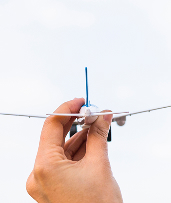
The IITA Air Cargo Operations Course teaches you all the essential skills to perform this role safely and efficiently, preparing you for a constantly growing global job market.
Frequently Asked Questions (FAQs)
WHY TRAIN WITH IITA?

EASA Part-IS Alignment

This programme is structured around the specific regulatory obligations that now apply to European AOC holders and their flight crew.
EASA Part-IS Alignment

Flight Crew Perspective

Every threat scenario is framed from the cockpit — not from an IT security perspective — making the content immediately relevant to your operational life.
Flight Crew Perspective

Industry-Active Instructors

IITA's cybersecurity programme is delivered by professionals with direct experience in both aviation operations and information security.
Industry-Active Instructors

Recognised Professional

Qualification Completing this programme gives you a demonstrable, auditable credential that supports your operator's EASA Part-IS compliance documentation.
Recognised Professional Qualification
EASA Part-IS Is Already In Force.
Take the qualification that ensures you — and your operator — are prepared for what the regulation now requires.
TheGem provides custom AI-powered solutions that automate workflows, unlock predictive insights, and create a competitive advantage.
WHERE CAN I WORK?

Commercial Airlines

European carriers operating under EASA Part-IS obligations, including TAP Air Portugal, Ryanair, Wizz Air, and Lufthansa Group airlines.

Charter & Cargo Operators

Hi Fly, Omni Air, and dedicated freight carriers operating under AOCs with crew-level cybersecurity requirements.

Business Aviation

Flight departments and operators in the business and corporate aviation sector across Portugal, the UK, and Europe.

Regional & Commuter Operations

Regional carriers and commuter operators expanding their cybersecurity awareness programmes to meet EASA obligations.
Frequently Asked Questions (FAQs)

EASA Part-IS (Information Security for Organisations in Aviation) establishes binding cybersecurity obligations for European aviation organisations, including Air Operator Certificate holders. One requirement is that flight crew have demonstrable awareness of cyber threats relevant to their operational role. This programme is designed specifically to meet that need.

No. The programme is designed for professional pilots, not IT specialists. All content is framed around operational scenarios — what threats look like in practice, how to recognise them, and what to do when you encounter them.

The programme is designed for licensed commercial pilots and flight operations officers. Candidates preparing for commercial licences may also benefit — please contact us to discuss your circumstances.


Programme duration and scheduling are confirmed at pre-registration. Contact us for current cohort availability.

This programme is developed in alignment with EASA Part-IS and is designed to support operator compliance documentation. We recommend confirming the specific requirements with your operator or Accountable Manager.

Click the PRE-REGISTER button at the top of this page and complete the registration form. Our admissions team will respond within 48 hours.

Bespoke Aviation Training
We design industry-ready programmes
tailored specifically for you.