

AIRCRAFT MECHANIC PROGRAMME
Every aircraft in service depends on someone who knows exactly what they're doing. This programme makes you that person.
The Vocational Pathway to EASA Part-66 Aircraft Maintenance
Aircraft maintenance is one of aviation's most technically demanding — and most consequential — professional fields.
The integrity of every aircraft in European airspace depends on the knowledge, the discipline, and the regulatory competence of the technicians who maintain it. EASA Part-66, governed by EU Regulation 1321/2014, establishes the licence framework that defines what those technicians must know and be able to demonstrate.
IITA's Aircraft Mechanic Programme is a comprehensive vocational qualification built in alignment with EASA Part-66. It provides the technical foundation, the regulatory literacy, and the practical awareness that candidates need to progress towards a Part-66 licence and a career maintaining aircraft in the European aviation system.
This is an in-depth programme — not a short course. It is designed for candidates who are serious about aircraft maintenance as a long-term professional commitment.
With an optional placement at a European air base, this programme offers a unique opportunity to gain real-world sector experience and launch a solid career.
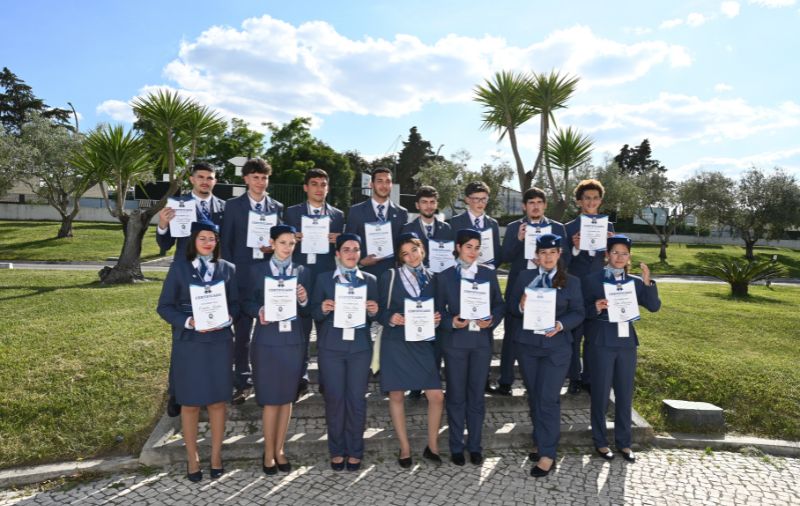
✈️ Aligned with EASA Part-66 EU Regulation 1321/2014
✈️ Covers aircraft systems, maintenance practices, and regulatory airworthiness
✈️ Ministry of Education, Science and Innovation approved vocational qualification
Lorem Ipsum Dolor Sit
54%
Duis Aute Irure Dolor
80%
Excepteur sint Occaecat
38%
What an Aircraft Mechanic Does
Aircraft Mechanics with EASA Part-66 aligned qualifications are in sustained demand across Europe — with salaries that increase significantly with licence endorsements and specialist type ratings.
The Aircraft Mechanic programme covers the technical and regulatory scope of the EASA Part-66 framework:
✈️ Aircraft systems — Airframes, engines, avionics, hydraulics, pneumatics, electrical systems, and fuel systems across the major categories covered by Part-66
✈️ Maintenance practices — Tools, safety precautions, workshop techniques, and the practical methods used in line and base maintenance environments
✈️ Regulatory framework — EASA Part-66 (EU 1321/2014), Part-M (continuing airworthiness), Part-145 (maintenance organisation approval), and their interrelation
✈️ Inspections — Examining engines, landing gear, wings, and control surfaces for damage, wear, or corrosion before and after flights.
✈️ Diagnostics — Using diagnostic equipment, gauges, and circuit testers to locate the source of electrical, hydraulic, or mechanical malfunctions.
✈️ Safety culture — Human factors, EASA human factors regulations, and the safety management principles that underpin airworthy maintenance
✈️ Repairs & Maintenance — Changing oil, lubricating moving parts, replacing defective components, and fixing structural damage using hand tools or power tools.
✈️ Record-Keeping — Documenting all maintenance, part replacements, and inspections in meticulous detail, ensuring every action meets regulatory safety standards.

Loadmasters work across a wide range of aviation operations:
✈️ Air cargo companies – Handling of valuable or dangerous goods (eg, DHL Adviation, FedEx)
✈️ Commercial airlines – Cargo and baggage management (eg, TAP Air Cargo, Luthansa Cargo)
✈️ Military forces – Coordination of military equipment transport, tactical airdrops, and humanitarian airlifts
✈️ Humanitarian organisations — Transport of essential supplies for disaster relief and emergency operations worldwide
Build the technical foundation for a professional career in aircraft maintenance, aligned with EASA Part-66 standards.
Frequently Asked Questions (FAQs)
Ministry of Education, Science and Innovation
Approved
vocational programme
100%
employement rate by graduates
EASA Part-66
EU Regulation 1321/2014 aligned
The IITA Air Cargo Operations Course teaches you all the essential skills to perform this role safely and efficiently, preparing you for a constantly growing global job market.
Frequently Asked Questions (FAQs)
Why study with IITA?
600 - 800 hours of practical working experience integrated as part of the programme. IITA actively supports students in securing the placement with maintenance organisations and airlines.
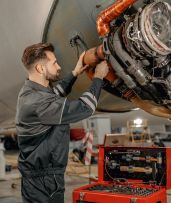
This programme is built in alignment with EU Regulation 1321/2014 — the regulatory framework that governs aircraft maintenance licensing across all EASA member states.

IITA's industry partners include maintenance organisations and airlines that actively recruit from our graduate network — giving you a direct route into employment and career progression

The programme is certified by the European Union Aviation Safety Agency (EASA) and the Civil Aviation Authority. It is an integrated training programme leading to a Level 4 dual qualification - A1 License and an upper secondary school diploma, allowing direct access to Higher Education.
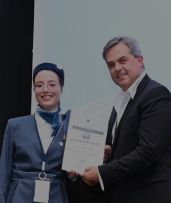
Airworthiness Depends on People Who Know This Inside Out
Take the vocational programme that builds the technical foundation for a career in aircraft maintenance.
TheGem provides custom AI-powered solutions that automate workflows, unlock predictive insights, and create a competitive advantage.
Where can I work?
Frequently Asked Questions (FAQs)
EASA Part-66 (EU Regulation 1321/2014 Annex III) is the European regulatory framework that governs aircraft maintenance licences — defining what knowledge technicians must demonstrate and what they are authorised to certify. This programme is built in alignment with Part-66 knowledge requirements and is designed to support candidates on their pathway to a Part-66 licence.
This programme provides the vocational qualification and knowledge foundation aligned with Part-66. The EASA Part-66 licence itself is issued by the relevant national aviation authority following formal examination. IITA’s programme prepares you for those examinations and for the practical experience requirements.
Maths, Science and Physics are beneficial. Prior aviation experience is not required. Contact us to discuss your background.
Minimum secondary education completion (Year 9), with demonstrated competence in Maths, Science and Physics. English language proficiency at CEFR B1 is a crucial advantage. Full entry requirements are confirmed at application.
This is a three-year comprehensive vocational programme. Contact us for full details.
Click PRE-REGISTER at the top of this page and complete the registration form.

Bespoke Aviation Training
We design industry-ready programmes
tailored specifically for you.
tailored specifically for you.
